I accidentally deleted video footage from my GoPro while clearing space on the SD card, and now I’m trying to figure out if there’s any way to get those files back. The clips are really important, and I haven’t used the card much since it happened. Looking for help with GoPro video recovery, deleted SD card footage, and the best recovery software or steps to try.
I’ve had to recover lost GoPro clips more than once, and yeah, this type of recovery is one of the messier ones. Sometimes the deleted footage is still sitting on the card. The problem is, action cam video is a different animal from a deleted photo or Word file.
Do this before anything else
Stop using the SD card.
I mean it. Don’t shoot more video. Don’t format the card. Don’t run repair tools you found in a hurry. When a file gets deleted, the video data often stays put until new footage lands on top of it. Every new recording eats into your odds.
I’d check a few simple things first:
- GoPro cloud Trash or Recently Deleted, if your account includes it
- Any copied footage on your PC, external drive, or old backup folder
- LRV files on the card, since those low-res previews sometimes save the day
- Whether the camera itself offers a repair prompt after you put the card back in
If none of that turns up anything useful, then yeah, recovery software is the next step.
Why GoPro recovery goes sideways so often
This trips people up. A deleted JPG is often simple. A deleted GoPro clip, not so much.
On newer cameras, the recording usually isn’t written as one neat MP4 chunk. A GoPro often stores the main video, preview streams, audio, GPS data, thumbnails, and other metadata around the card in pieces. Sometimes a lot of pieces.
So you run a scan, the app says it found an MP4, you restore it, and the file won’t open. I’ve seen this. The software grabbed fragments, but it didn’t rebuild them in the right order.
This tends to show up a lot on:
- GoPro Hero models
- DJI drones
- Insta360 cameras
- Recent Sony, Canon, Nikon, and Panasonic cameras
- Dash cams
For video recovery, the scan alone isn’t the whole story. The reconstruction method matters a lot.
What I’d try first
I’d start with Disk Drill.
The part I’d use is its Advanced Camera Recovery mode. This is the main reason I’d pick it for GoPro footage. Instead of treating the recording like one clean file, it looks at scattered video fragments and tries to rebuild them into something playable. That approach fits devices like GoPros, drones, dash cams, and other cameras that split recordings all over the card.
The steps are simple enough:
- Put the SD card in your computer with a card reader
- Open Disk Drill
- Select the memory card
- Choose Advanced Camera Recovery
- Run the scan
- Preview what it finds
- Save recovered files to a different drive
The preview feature matters more than people think. I’ve used tools where you recover first and sort out the wreckage later. Here, you often get a look at whether the clip is playable before you commit. Disk Drill also suggests making a byte-to-byte image of the card first if the card is unstable. I’d do the same on anything flaky.
Other options people bring up
PhotoRec is the free one I’d keep in the toolbox.
It pulls back a huge range of file types and costs nothing. The tradeoff is rough. No dedicated camera video reconstruction, no preview system, and no focused workflow for fragmented action cam footage. You might end up staring at a pile of recovered files with random names and sorting them by hand. I’ve done that once. Not fun.
UFS Explorer is a different kind of tool. More advanced, more technical, and better suited to harder cases than a lot of consumer apps. If you already know your way around recovery software, it makes sense. Still, for this specific GoPro problem, it doesn’t have the same streamlined camera-focused recovery path Disk Drill has.
My order of attack
If the deleted footage came from a newer GoPro, DJI drone, or similar camera, I’d go in this order.
- Disk Drill first
- PhotoRec if I wanted a free fallback
- UFS Explorer if I needed more control and was ready to spend more time on it
If your card matters, keep it untouched until you scan it. That part is the one people mess up most often, and once new footage overwrites the old blocks, recovery gets a lot uglier. I learned that the hard way tbh.
9 Likes
Yes, there’s still a shot if you stopped using the card fast enough.
I agree with @mikeappsreviewer on the big rule, keep the SD card untouched. Where I differ a bit is this, I would not put the card back in the GoPro to see if it offers any repair prompt. If the footage matters, I’d keep the camera away from it. Some cams write small bits of data when they mount the card, and that’s a risk I woudn’t take.
My order would be:
- Lock the SD card, if it has a write switch.
- Use a good card reader, not the camera over USB.
- Make a full image of the card first.
- Scan the image, not the original card.
- Save recovered files to your computer or another drive.
If the deletion was recent and no new clips were recorded, recovery rates are often decent. Once new 4K GoPro footage hits the same card, old data gets overwritten fast. A single minute of 4K60 can eat hundreds of MB, so time matters.
Disk Drill is worth trying for GoPro video recovery, mostly because it handles camera media better than a lot of general file tools. I still think imaging the card first is the smarter move, even if the card seems fine. People skip that step, then the card starts throwing read errors mid-scan. Then it gets ugly.
One more thing people forget, check if the deleted clips were split into chapter files. GoPro often breaks long recordings into chunks. You might recover part 2 and part 3 even if part 1 is gone. Annoying, but better than zero.
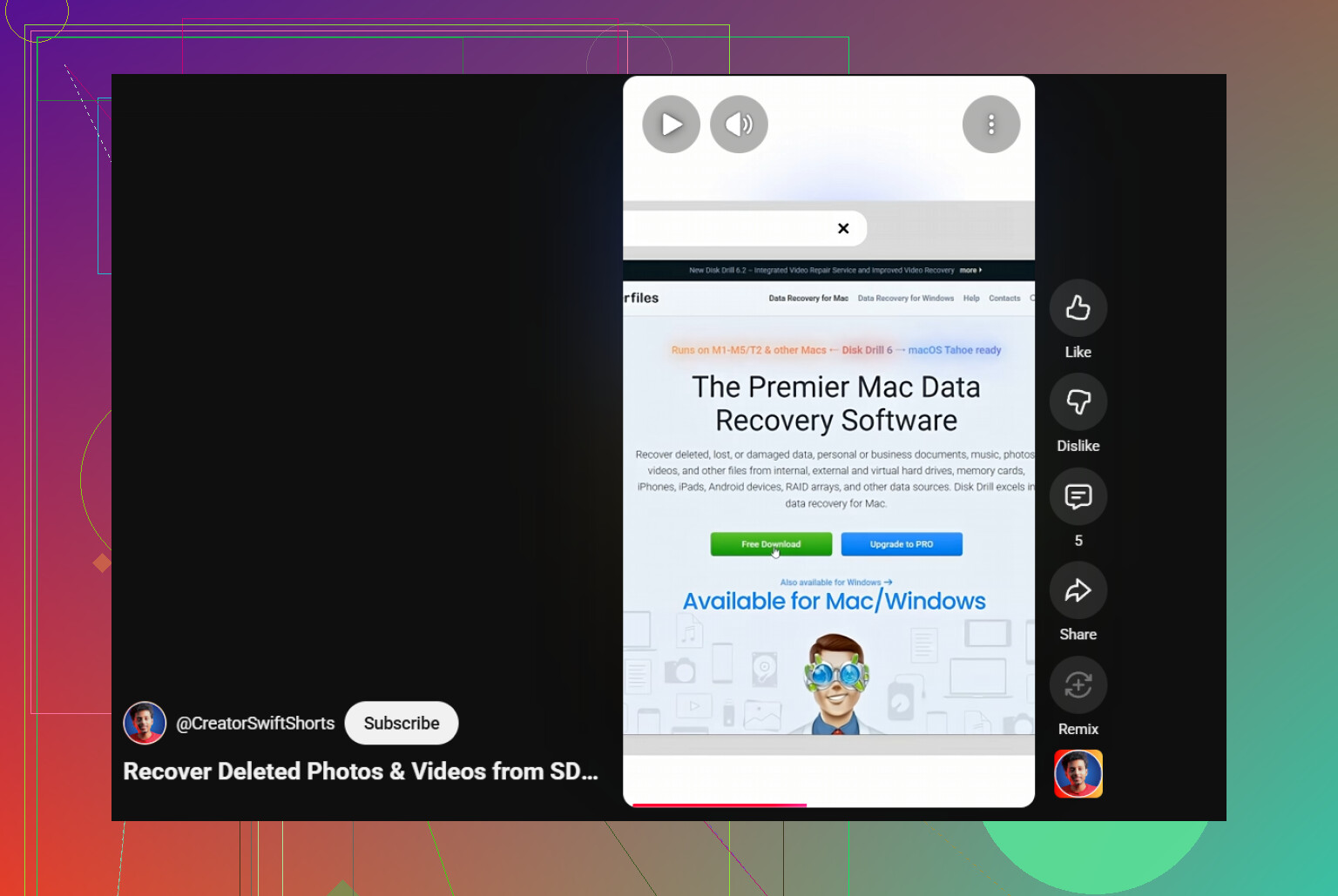
Also, if you want a quick visual guide, this helped explain the SD card video recovery process in plain English:
watch this quick tip for recovering deleted GoPro and SD card video files
If Disk Drill finds files but they won’t play, try VLC first. It opens damaged MP4s more often than Movies & TV or QuickTime. Small thing, but it saves time.
If you haven’t used the card since deleting the clips, yeah, you still have a real chance.
I mostly agree with @mikeappsreviewer and @boswandelaar, but I’d add one thing they didn’t really stress: sometimes the problem is not “deleted video” so much as “missing file index.” In plain english, the footage can still be there, but the card’s file table got cleared or messed up. That matters because in some cases a tool that can rebuild the file system view can recover cleaner results than pure carving.
A few extra things I’d check:
- Look for hidden folders like
MISC,DCIM, and any weird leftover.THMor.LRVfiles - Check whether the clips were copied into the GoPro Quik app cache on your phone/tablet
- If you used auto-upload before, see if partial cloud sync happened
- Try another card reader before assuming the card is toast. Bad readers cause dumb problmes
I slightly disagree with the “just scan and recover” approach people often take. For really important GoPro footage, I’d test multiple recovery methods on the image of the card, not just one pass. GoPro files can be fragmented, and one app may recover a playable file while another spits out a corrupt MP4.
Disk Drill is still a solid first shot, especially for GoPro video recovery, because it tends to handle camera media better than a lot of generic file recovery apps. But if it finds clips that are the right size and they still won’t open, that does not always mean they’re dead. Sometimes remuxing them with ffmpeg or opening in VLC works.
Also, if the deleted clips were from one long session, recover everything around the same timestamps. GoPro chaptered files can make it look like random junk when it’s acctually pieces of the same recording.
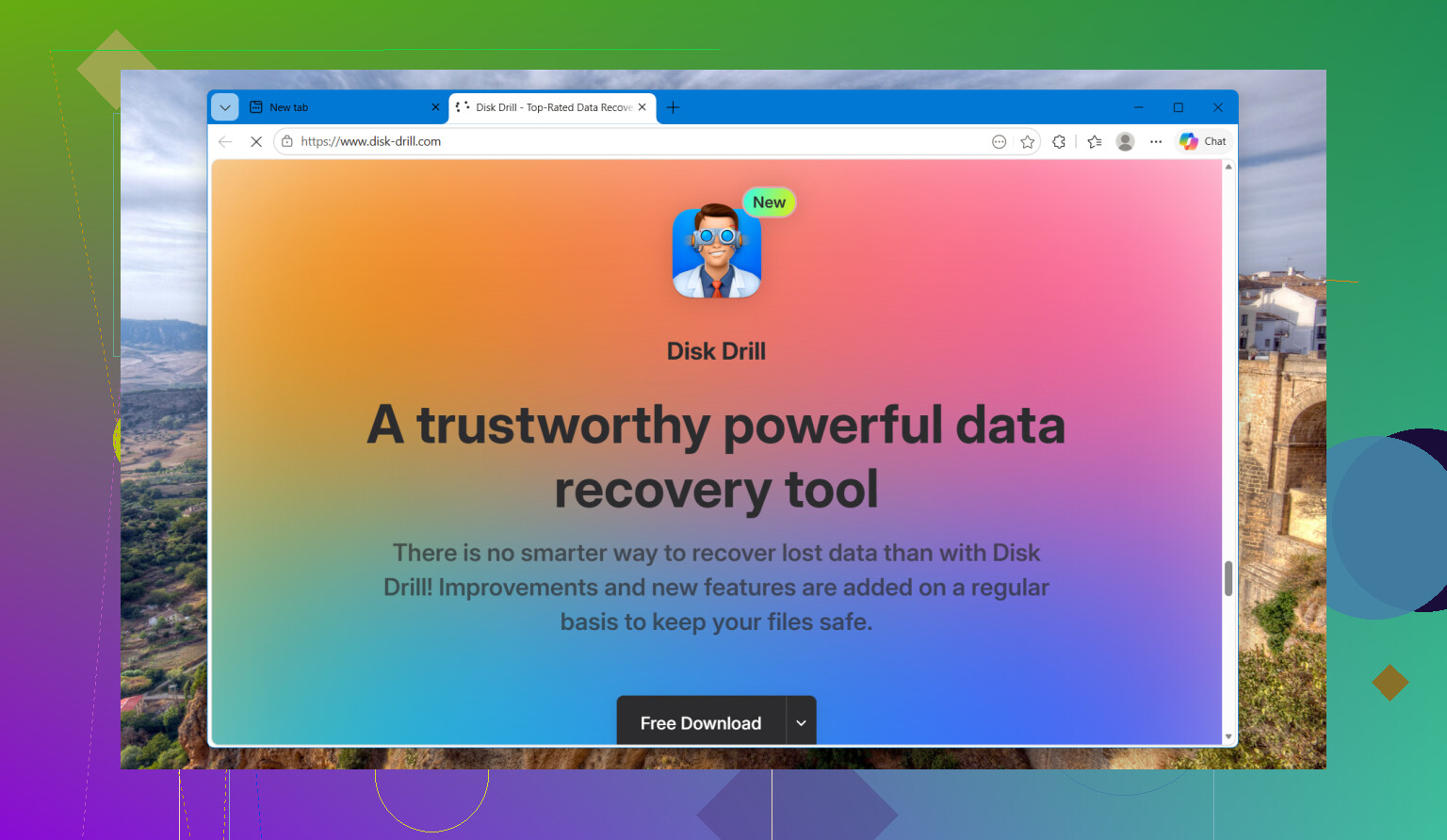
Related reading here too: GoPro footage recovery tips from a Facebook discussion
I’d slightly push back on one point from @mikeappsreviewer and @nachtschatten: I would not spend too long hunting for app caches, cloud remnants, or camera prompts before doing the core preservation work. For important footage, delay is the enemy.
What I would add that they did not really focus on is checking the card’s health first. A lot of failed recoveries are not because the files are gone, but because the microSD is starting to die. If the card is counterfeit, worn out, or throwing read errors, repeated scans can make things worse. Before deep recovery, read its SMART-like status if your reader/software exposes anything useful, or at least watch for slow reads, disconnects, and CRC errors while imaging.
Also, GoPro cards often fail from heat and heavy write cycles. If the card behaves strangely, skip repeated experiments and work from one image only. If the image itself cannot complete cleanly, that is when DIY starts becoming a gamble.
On tools, Disk Drill is a fair first choice for this kind of media.
Pros:
- easy to use
- decent with camera cards
- preview helps separate junk from real clips
- good for non-experts
Cons:
- not the cheapest option
- results can still be mixed on fragmented GoPro video
- can find files that recover but still need repair
- less transparent than more forensic-style tools
If Disk Drill misses stuff, I’d try a second opinion with R-Studio or DMDE, not because they are friendlier, but because they sometimes reconstruct the file system differently. That can matter if the deletion was logical rather than full overwrite.
One more practical thing: recover the tiny sidecar files too, not just MP4s. Even if the full clip is damaged, timestamps and chapter-related leftovers can help you identify missing segments or match recovered pieces. @boswandelaar was right to stress chapter splits. That catches people out a lot.