I tried Decopy AI Humanizer to make AI-written content sound more natural, but I’m not sure the results are actually human-like or safe to use. Some parts still feel robotic, and I’m worried about detection, quality, and whether it’s worth paying for. I need real feedback from anyone who has used it so I can decide if I should keep using it or switch to something better.
Decopy AI Humanizer
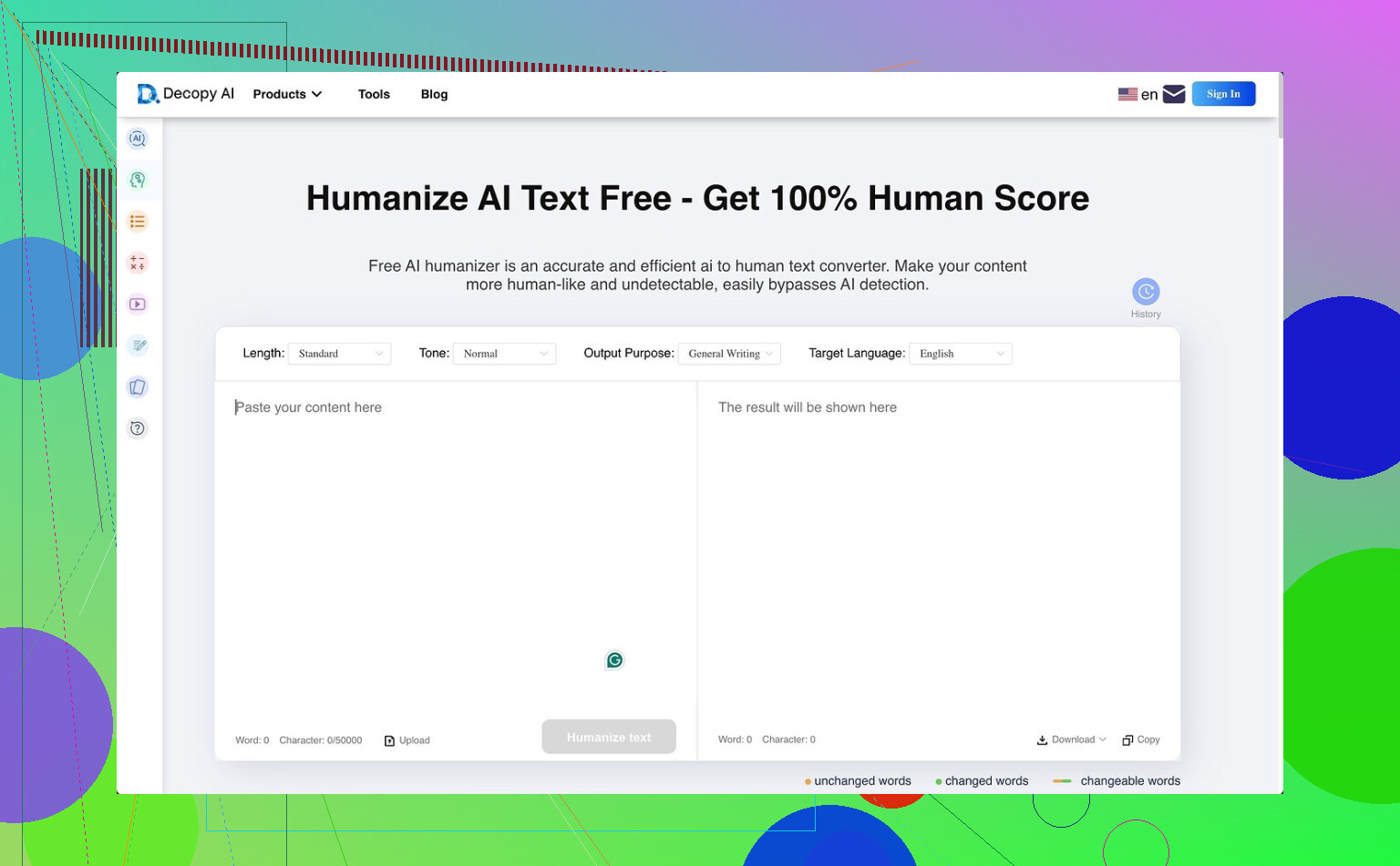
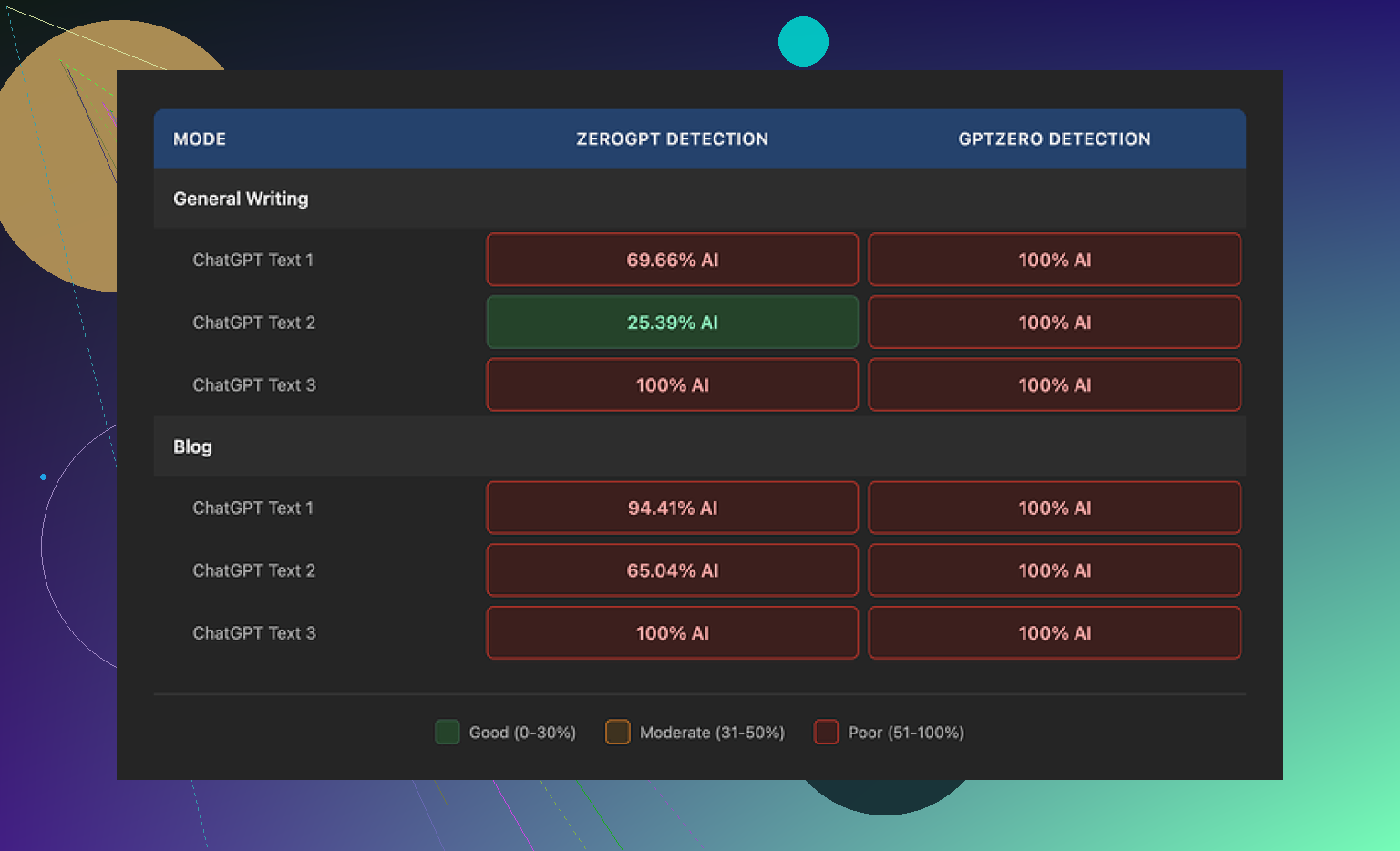
I spent some time with Decopy AI Humanizer, and on paper it looks stacked. You get 500 free runs, up to 50,000 characters in one request, eight tone options, nine use-case settings, and a sentence-by-sentence redo tool for lines you want changed. Sounds generous. In use, the weak spot showed up fast. The rewritten text still read like AI to detectors. GPTZero marked every sample as 100% AI in both General Writing and Blog modes. ZeroGPT bounced around more, from roughly 25% up to 100%, depending on the passage.
One area where Decopy did fine was grammar. I did not see it breaking sentence structure or tossing in weird mistakes to fake a human voice. That already puts it ahead of tools like UnAIMyText and HumanizeAI.io, which tend to make a mess. For output quality, I had Blog mode around 7/10 and General Writing around 7.5/10. My bigger issue was the way it flattens everything. Blog mode kept turning normal ideas into kiddie-level phrasing. General Writing was a bit better, though I still got stuff like 'digital stuff' and 'totally changing tech,' which felt off and kind of cheap. At least it usually kept the original length close, so it did not bloat or gut the text.
On privacy, I checked the policy because a lot of these tools stay vague. Decopy states a three-month retention window and says it follows GDPR and CCPA. What I did not find was a clear explanation of what happens to the text you paste in for rewriting. For me, that missing detail matters more than the compliance badge language.
After running the same kind of tests side by side, Clever AI Humanizer came out stronger on humanization, and it did not cost me anything.
1 Like
I had a similar take. Decopy is fine if your goal is cleanup. It fixes grammar, keeps structure stable, and does not trash the meaning. For plain editing, that matters.
For humanizing, I was less sold. The output felt smoothed over, not human. Too even. Too safe. A few lines read like someone sanded off all personality. So if your draft already sounds flat, Decopy often keeps it flat.
On detection, I would not trust it for anything high risk. Detector scores swing all over the place, and that alone is a red flag. If one pass gets 30 percent and the next gets 100 percent AI, your result is not dependable. @mikeappsreviewer saw similar instability, and my own tests were in the same ballpark.
The privacy part would bug me more than the detectors, tbh. A 3 month retention window is not small. If you paste client work, private docs, or unpublished stuff, I would stop and think first. Compliance language is nice. Clear handling details matter more.
My take. Use it for polishing weak AI drafts. Do not rely on it to make text feel human or detection-safe. If you want better results, you still need manual rewrites. Thats the boring answer, but it’s the honest one.
I’d split Decopy into two different tools in practice.
- decent rewriter
- weak “humanizer”
That sounds harsh, but yeah, that was my experience too. It cleans text up, smooths grammar, and usually preserves meaning. If your draft is messy AI sludge, Decopy can make it more readable. But readable is not the same thing as human. Those are diff things.
Where I kinda disagree with @mikeappsreviewer and @viaggiatoresolare is on one point: I don’t think detector scores alone tell the whole story. Detectors are flaky anyway. The bigger issue for me was voice. Decopy tends to iron everything into the same bland middle. The result is less robotic in spots, sure, but also less specific, less textured, less like an actual person wrote it.
That “safe to use” part depends on what you mean. For school, client work, anything sensitive, I’d be careful. Not just because of AI detection, but because these tools can quietly weaken nuance. You paste in something sharp, you get back somthing flatter.
So my verdict: okay for light polishing, not something I’d trust for high stakes humanization. If a line matters, manual editing still wins. Annoying answer, but prob the real one.
I land slightly differently on this.
Pros for Decopy AI Humanizer:
- keeps meaning fairly intact
- grammar cleanup is solid
- generous free usage
- length control is better than a lot of rewriters
Cons:
- voice still feels processed
- can oversimplify wording
- detector results look inconsistent
- privacy/data handling is not clear enough for sensitive text
Where I disagree a bit with @viaggiatoresolare, @codecrafter, and @mikeappsreviewer is this: I do not think “human-like” always means adding more quirks. Sometimes a human edit is just tighter and cleaner. Decopy can help there. But if you want personality, rhythm, subtext, or domain nuance, it is not enough.
So I would treat Decopy AI Humanizer like a cleanup layer, not a final disguise layer. Fine for drafts, weak for high-stakes publishing, school, or client copy. If the goal is believable human writing, you still need a real rewrite by hand.